
Prototype Manufacturing in Columbia South Carolina
Prototype Manufacturing in Columbia South Carolina
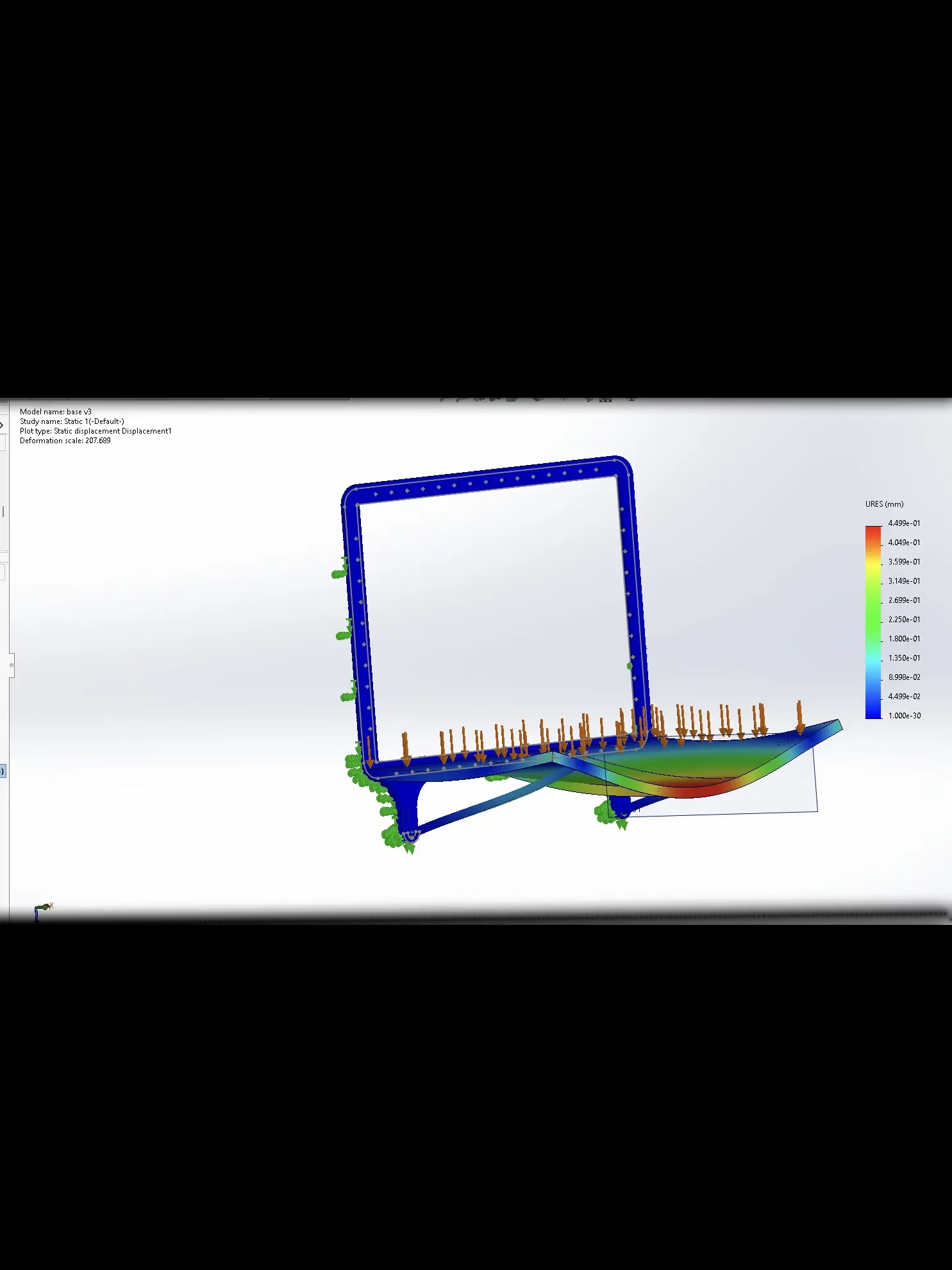
You have a working prototype. Maybe you built it yourself, maybe another firm built it, and it proves the idea functions. But a working model is not the same as a manufacturable product. Prototype manufacturing is the stage where you find out whether your invention can actually be produced—at what cost, with what materials, and using which processes—before you commit to tooling or a production run. Inventions Unlimited provides prototype manufacturing services for inventors in Columbia South Carolina who need to bridge that gap. For the full technical explanation of our prototyping capabilities, see our prototype development services page
What Prototype Manufacturing Actually Means (and Why It Is Different From Prototype Development)
Prototype development answers one question: does this invention work? Prototype manufacturing answers a different one: can this invention be made, repeatedly, at a reasonable cost, using the methods a manufacturer will actually use? The distinction matters for inventors in Columbia South Carolina who are preparing to talk to manufacturers or investors. A proof-of-concept prototype built from off-the-shelf parts and 3D-printed brackets proves function. It does not prove manufacturability. A manufacturing prototype is built using the exact production methods, materials, and internal tolerances required for mass commercial fabrication, as described in our FAQ page. That means CNC machining instead of hand-cutting, production-grade plastics instead of prototyping resin, and tolerances that reflect what a factory can actually hold. Our services overview lists the manufacturing methods we use for this stage, including CNC manufacturing, urethane molding, silicon molding, and investment casting.
Why Inventors in Columbia South Carolina Need This Stage Before Talking to Manufacturers
Manufacturers and investors ask the same question: has this been proven to be producible? If your prototype was built with methods that cannot scale—glued assemblies, non-standard fasteners, materials that are not available in production quantities—you will be asked to go back and redo it. That costs time and money. Prototype manufacturing catches those problems before they become expensive. Our How It Works page describes the product finalization step: once a prototype is developed, we refine the design to achieve a final, polished product tuned to the manufacturing needs of your product. If the prototype reveals that a wall is too thin for injection molding, or a feature cannot be machined at production speed, you find out at this stage rather than after you have paid for tooling.
How Remote Prototype Manufacturing Works From Columbia South Carolina
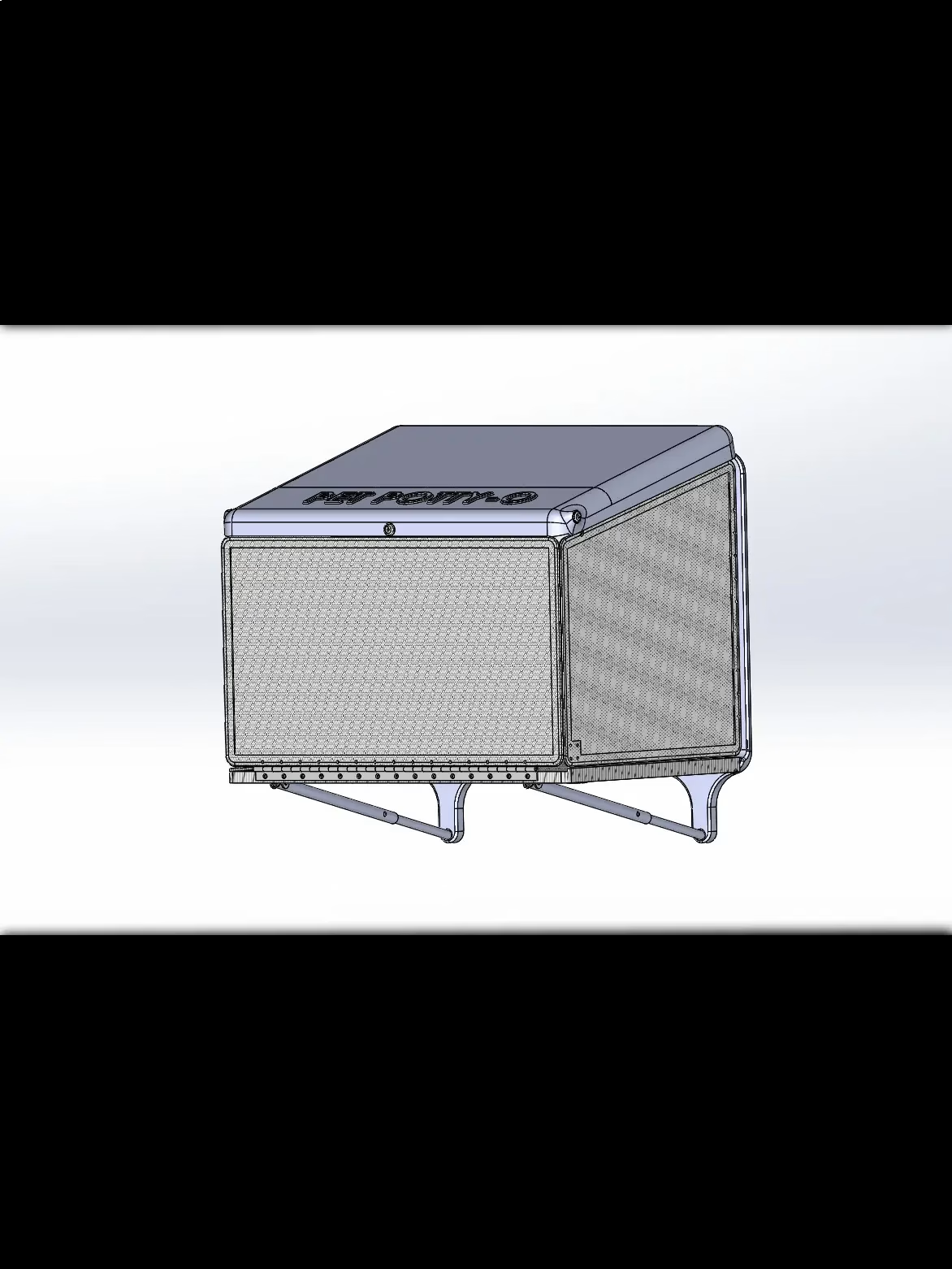
Prototype manufacturing is well-suited to remote collaboration because the work product is digital and physical parts ship. Our clients in Columbia South Carolina work through a personalized online project dashboard that tracks milestones, scheduled meetings, and real-time updates, as described on our How It Works page. Design for manufacturing reviews happen on shared screens, material and process decisions are documented, and finished manufacturing prototypes are shipped to you. If you prefer an in-person relationship, that is a fair consideration when comparing firms. The evaluation questions below apply whether you hire in Columbia South Carolina or work remotely.
Questions to Ask Before Hiring a Prototype Manufacturing Firm
These separate a manufacturing-focused engineering firm from a shop that only builds one-off models. First, will they sign an NDA before you share details? Our process begins with one, as confirmed in our How It Works FAQ. Second, will this prototype be built with production methods? The whole point of prototype manufacturing is fidelity to the eventual manufacturing process, and our services overview lists the production-grade methods we use. Third, what will you physically receive? You should receive a high-fidelity prototype built to production specifications, plus the design files needed to move forward, as described on our How It Works page.
Fourth, what happens after this prototype? A capable firm connects the manufacturing prototype to small batch production or a mass manufacturing handoff, and our small batch manufacturing page shows the next step: producing between 100 and 1,000 parts to test the market using additive and subtractive technologies. Fifth, will they flag design-for-manufacturing problems? This is the core value of the stage, and our engineering team evaluates the design specifically for manufacturing needs, as described on our How It Works page.
What to Prepare Before You Contact Us From Columbia South Carolina
You do not need a polished package, but bringing these shortens the path to a useful answer: the existing prototype or design files you have, a description of how it was built, what you already know about your intended manufacturing method or target production volume, any feedback you have received from manufacturers, investors, or potential customers, and your rough budget range and timeline for reaching production. If you are earlier in the process and do not yet have a working prototype, our prototype development services cover the build-and-test phase that comes before manufacturing refinement. Our product development services page describes the full arc, and our FAQ page answers common cost and timeline questions.
How the Prototype Manufacturing Process Works From Columbia South Carolina
Once you contact us, the process starts with a conversation and an NDA. From there, we review your existing prototype or design, assess what would need to change to make it manufacturable, and select the production-grade method that best represents how the final product will be made. We build the manufacturing prototype, test it against production tolerances, and refine the design based on what we learn. You track progress on the project dashboard and stay involved through scheduled meetings, the same process described on our How It Works page.
When the manufacturing prototype is complete, it ships to you in Columbia South Carolina along with the design files. From there, the typical next step is a short production run through our small batch manufacturing service, which produces between 100 and 1,000 parts using the same additive and subtractive technologies described on our services overview. That run validates the market and confirms the manufacturing process before you commit to mass production. Most projects take three to six months to develop, according to our How It Works FAQ. Prototype manufacturing timelines depend on complexity and the number of design iterations required to reach production readiness.
Area We Serve
Inventions Unlimited works with inventors across the Southeast from our base in Columbia, South Carolina. If you are outside @fname@, find your location below:
Related Services
Prototype manufacturing is often one step in a longer journey. Depending on your needs, you may also require:
-
Prototype development if you need help designing the prototype, not just building it.
-
Small batch manufacturing for producing 100–1,000 units to test the market after your prototype is validated .
-
3D CAD design if you need to create or refine the digital model before manufacturing.
-
Product development services for end-to-end support from concept through production.
Frequently Asked Questions
What is the difference between prototype manufacturing and prototype development?
Development is the design and engineering phase—figuring out how the prototype will work and creating the CAD files. Manufacturing is the physical build of that design. If you already have files ready to build, you need manufacturing.
Can you manufacture a prototype from just a sketch?
We can, but a CAD model is usually needed first. If you only have a sketch, we can create the CAD model as part of the process. Contact us to discuss what you have.
What materials can you use for prototypes?
We work with plastics, metals, and electronic components depending on the method. 3D printing uses thermoplastics and resins, CNC machining can use aluminum, steel, and engineering plastics, and we can integrate PCBs and wiring for electronic prototypes .
Do you sign NDAs?
Yes. Before discussing your invention in detail, we sign a Non-Disclosure Agreement to protect your intellectual property .
How much does prototype manufacturing cost?
Costs depend on complexity, materials, and the number of parts. We provide a fixed pricing breakdown for each project after reviewing the scope. Contact us with your files and requirements to request a quote.
Ready to Prove Your Invention Can Be Manufactured in Columbia South Carolina?
Our 3D CAD Design services can breathe life into your ideas. Book a Free Consultation today to discuss how we can transform your vision into a powerful 3D model. Let’s explore the possibilities together!
The following page provides the complete list of our invention development service offerings.