
Invention Commercialization in Richmond Virginia
Invention Commercialization in Richmond Virginia
You have an invention, and now you are thinking about how to make money from it. That is the commercialization question, and it is the step where most inventions stall. The statistics are sobering: only a small percentage of patented inventions ever reach the market . The reasons are rarely technical. They are about market fit, timing, cost, and the sheer complexity of turning a working prototype into something a manufacturer will produce and a customer will buy. Inventions Unlimited does not commercialize inventions for you. We are an engineering firm, not a licensing agent or a business development consultancy. What we do is provide the engineering foundation that commercialization requires: functional prototypes, CAD models, patent drawings, and small batch production runs that let you test the market before committing to scale. This page explains what that support looks like for inventors in Richmond Virginia, what we do and do not do, and how to sequence the engineering work alongside the business decisions. For the broader engineering overview, see our services page.
What Invention Commercialization Actually Involves
Commercialization is not a single step. It is a process with several possible paths. The WIPO identifies four primary routes an inventor can take: start your own manufacturing and marketing, license the rights to your invention, sell the patent rights outright, or some combination of those approaches . Each path requires different resources and different expertise. Starting your own production line requires capital and manufacturing knowledge. Licensing requires finding the right partner and negotiating a deal. Selling the patent is the fastest exit but typically yields the lowest return.
What all four paths share is a foundation of engineering evidence. A licensee will not sign an agreement based on a sketch. A manufacturer will not quote a production run based on a verbal description. An investor will not write a check for an idea that has not been physically validated. The engineering work—the prototype, the CAD files, the test results, the manufacturing analysis—is what makes the commercialization conversation possible. Our How It Works page describes how that engineering foundation is built.
Where Inventions Unlimited Fits (and Where We Do Not)
To be direct about scope: we are an engineering and product development firm. We do not act as your licensing agent. We do not negotiate royalty agreements on your behalf. We do not promise to sell or license your invention. We do not provide investment advice or business plan writing. If you need those services, you need a different kind of professional—a licensing consultant, a business attorney, or a commercialization advisor.
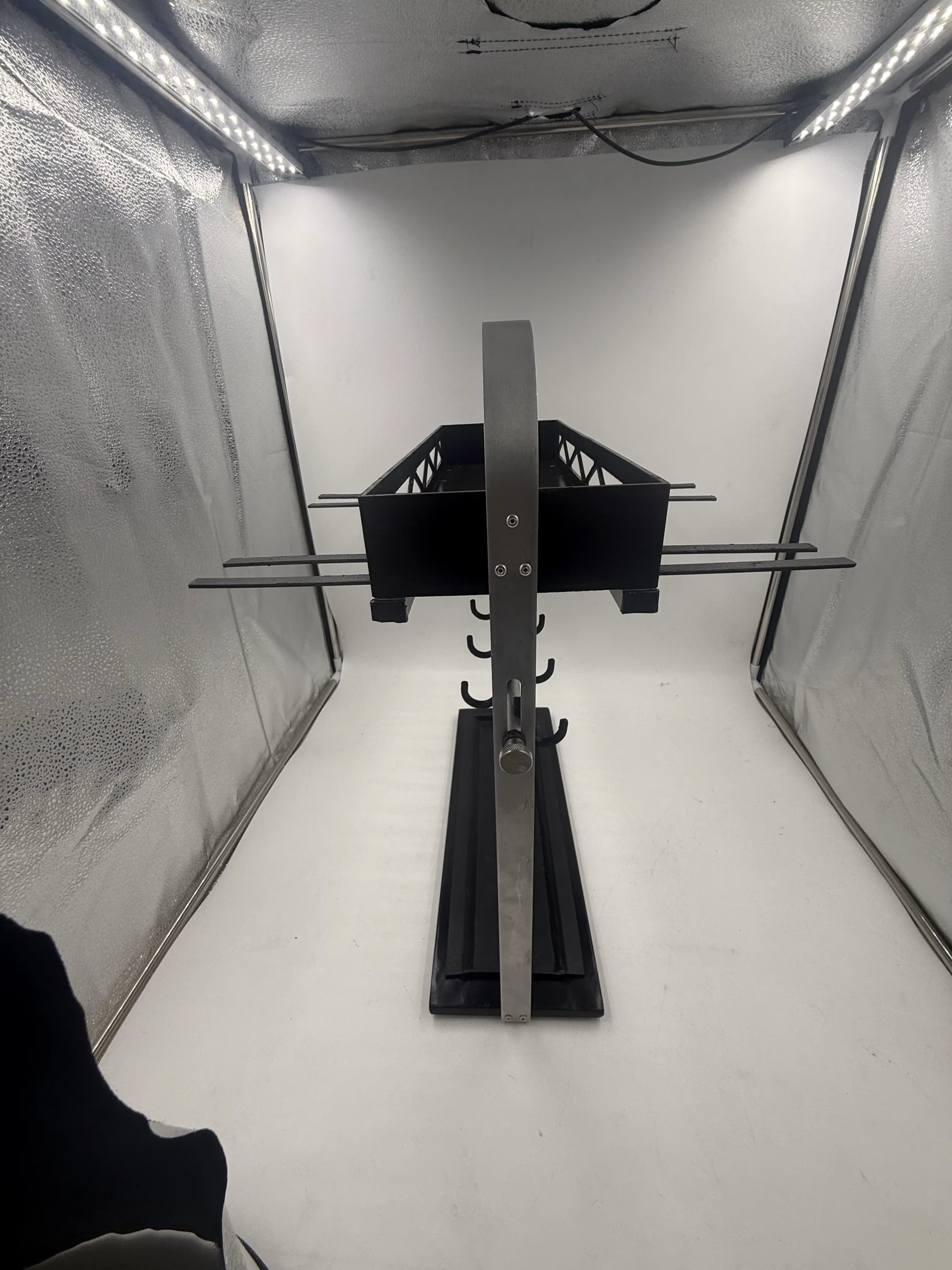
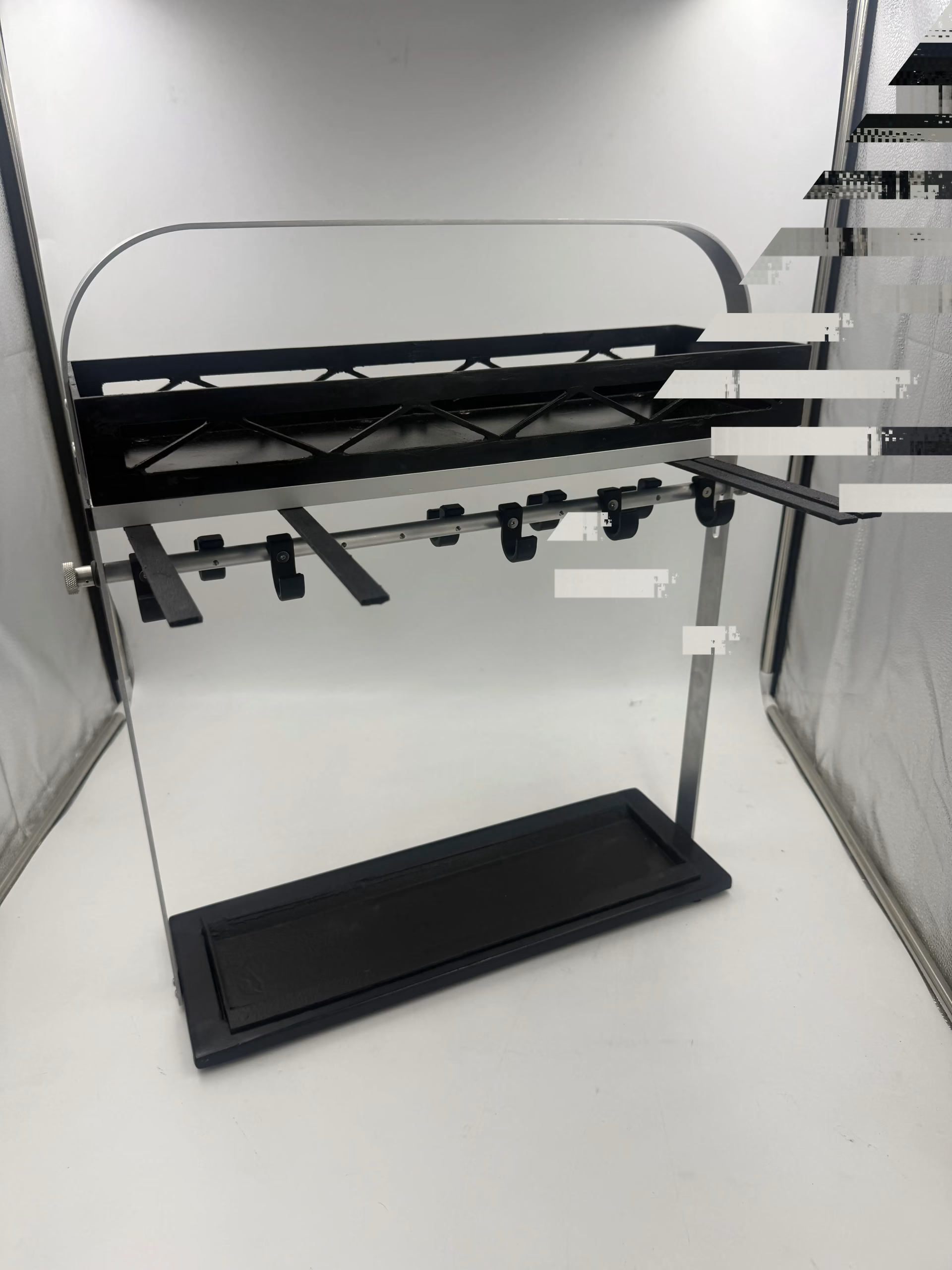
What we provide is the technical evidence that supports those conversations. When you engage us, you receive a functional prototype you can use for market testing or initial sales, along with all the necessary files you need to send to mass manufacturers . If your commercialization path involves licensing, the prototype and documentation give a potential licensee something concrete to evaluate. If your path involves manufacturing, the files give a contract manufacturer what they need to quote the job. If your path involves investors, the physical prototype and test data give them confidence. Our prototype development services page covers the build phase, and our small batch manufacturing page explains how a limited production run can validate market demand before you scale.
The Engineering Deliverables That Support Commercialization
Commercialization conversations require evidence. Here is what that evidence looks like in engineering terms. A functional prototype proves the invention works as intended, which is the baseline any licensee or manufacturer will ask about. 3D CAD models in formats like STL or STEP provide the precise digital definition that manufacturers need to quote and produce the part, as described on our 3D CAD design services page. Patent drawings prepared to USPTO standards support the intellectual property position that underlies any licensing or sale discussion, a service listed on our services page. Small batch production demonstrates market demand and provides real customer feedback before you commit to tooling, a strategy our small batch manufacturing page explains in detail.
These deliverables do not guarantee commercial success. No engineering firm can promise that. What they do is remove the technical uncertainty that would otherwise kill a commercialization deal before it starts. The FAQ page addresses common questions about cost and process, including the range of $2,000 to $15,000 for functional prototypes depending on complexity.
The Sequencing Question: Engineering Before Commercialization
The most common mistake we see from inventors in Richmond Virginia is pursuing commercialization conversations before the engineering is ready. Someone approaches a manufacturer with a sketch and a description, and the manufacturer asks for CAD files and a prototype. Someone pitches a licensee with an idea that has never been physically built, and the licensee passes because there is nothing to evaluate. Someone files a patent on a design that will change after prototyping, and the protection does not cover what they eventually build.
The engineering work should come before the commercialization conversation, not after. A prototype reveals whether the design actually works and whether it can be manufactured at a reasonable cost. If the prototype reveals that major changes are needed, filing or licensing before prototyping means the deal may not cover what you eventually produce. Our invention consulting service page covers the earliest feasibility conversation, and our product development services page describes the full engineering arc that precedes commercialization.
Related Services
Commercialization often follows a successful development process. Depending on your needs, you may also require:
-
Product development services for end-to-end support from concept to market.
-
Prototype services if you need to build a final prototype before manufacturing.
-
Manufacturing readiness services to ensure your design is fully prepared for production.
-
Inventions and patents to protect your intellectual property before licensing or selling.
Area We Serve
Inventions Unlimited works with inventors across the Southeast from our base in Columbia, South Carolina. If you are outside Richmond Virginia, find your location below:
Frequently Asked Questions
Do you help with licensing my invention?
We do not act as a licensing agent or broker. However, we can prepare the technical documentation, CAD models, and patent drawings that a potential licensee will need to evaluate your invention.
Do you sign an NDA before we talk?
Yes. Before discussing your invention in detail, we sign a Non-Disclosure Agreement to protect your intellectual property .
How much does it cost to commercialize an invention?
Costs vary widely based on the product and the chosen commercialization path. We provide a fixed pricing breakdown for the manufacturing or design work we perform. Contact us to discuss your project.
Can you help me find a manufacturer?
Yes. Once your design is ready, we can assist with small batch manufacturing or help you prepare to approach larger contract manufacturers.
Ready to Discuss Your Commercialization Path in Richmond Virginia?
Our 3D CAD Design services can breathe life into your ideas. Book a Free Consultation today to discuss how we can transform your vision into a powerful 3D model. Let’s explore the possibilities together!
The following page provides the complete list of our invention development service offerings.