
Inventions and Patents
Inventions and Patents
You have an invention idea, and you are thinking about a patent. You may be wondering: Do I need a prototype first? Can I file before building anything? How do I make sure the drawings in my application actually show what I invented? At Inventions Unlimited, we help inventors bridge the gap between the technical development of an invention and the legal process of protecting it. We provide utility patent drawings that meet USPTO standards, create the CAD models and prototypes that inform a stronger application, and connect inventors with patent attorneys who can handle the legal filing . We are an engineering firm, not a law firm, and we are upfront about that distinction. Here is how the pieces fit together.
What Inventions Unlimited Does—and Does Not Do—for Patents
Clarity matters here, because many inventors get confused about who does what.
Inventions Unlimited provides utility patent drawing services that meet USPTO standards. We do not employ patent attorneys on staff, and we do not file patent applications on your behalf . What we can do is prepare the technical drawings that your patent attorney or agent will use in your application, and we can recommend patent attorneys based on your project, location, and budget .
A patent attorney provides legal advice, conducts prior art searches, drafts claims, and files with the USPTO. An engineering firm like ours provides the technical visualization and product development work that supports a strong application. You need both roles filled if you are serious about protecting an invention.
Why the Technical Side of a Patent Matters
Patent drawings are not decorative. They are part of the legal disclosure that defines what your invention is and how it works. The USPTO requires drawings in most utility patent applications, and poorly prepared drawings can slow examination, invite rejections, or fail to show features that should be protected.
Our drawing team creates precise, detailed illustrations that communicate the functional aspects of your invention from every required perspective—sectional, exploded, schematic, and flowchart views. We work with independent inventors and directly with patent attorneys who need drafting support for their clients.
If your invention involves mechanical components, electrical systems, or software processes, the drawings need to show how those elements interact. That is engineering communication, not just illustration, and it is where our background helps. Much of this work begins with 3D CAD design, where the physical structure of an invention is defined before it is documented for a filing .
How Prototyping and Patents Interact
One common question: do you need a prototype to file a patent?
Technically, no. A patent application requires a written description that enables someone skilled in the field to make and use the invention, and drawings where necessary. The USPTO does not require you to submit a physical prototype.
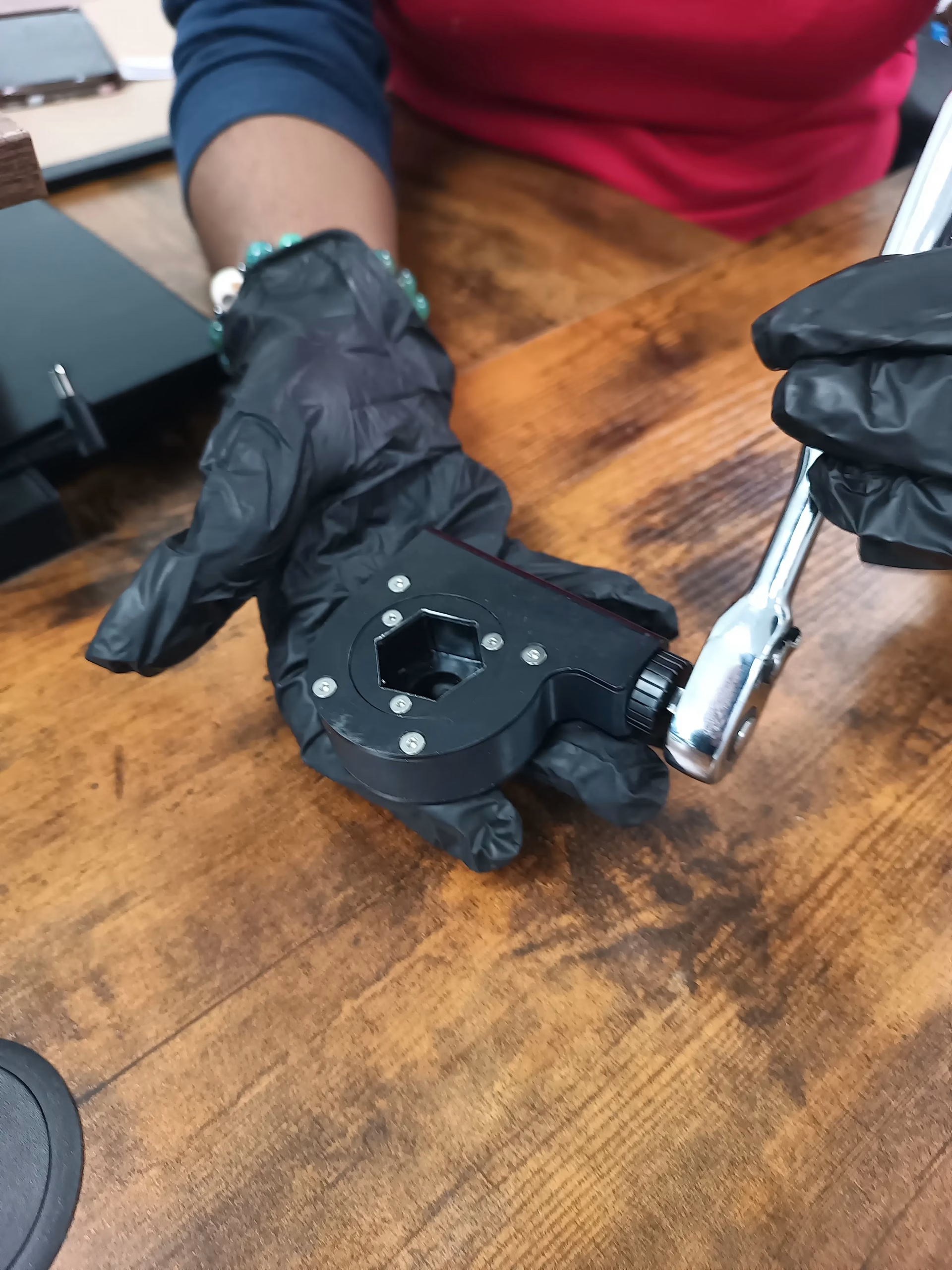
But in practice, prototyping often makes the patent process stronger . Building a prototype forces you to answer questions that a sketch leaves unresolved—how parts fit together, what materials work, where tolerances matter. Those details can inform the claims your attorney drafts and the drawings we prepare. As our blog on prototypes explains, holding a physical model helps you move from “this could work” to “this works because” .
If you have not yet developed your idea beyond a concept, our product development service can take you from sketch to functional prototype . If you need a working model to test your assumptions, our invention prototype services cover that stage .
What Our Utility Patent Drawing Service Includes
When you engage us for patent drawings, here is what the work generally involves:
-
Review of your invention documentation. We start with your sketches, descriptions, CAD files, or prototype photos to understand what needs to be shown.
-
Drafting to USPTO standards. Our drawings follow the formatting and quality requirements for utility patent applications, including line quality, numbering, and view consistency.
-
Multiple views as needed. Depending on the invention, this may include isometric, orthographic, sectional, exploded, and detail views.
-
Coordination with your attorney. If you have a patent attorney, we can work directly with them to ensure the drawings meet their requirements for the application.
We do not provide legal advice about what should or should not be claimed. That is your attorney’s role. Our job is to make sure the drawings clearly and accurately show what you direct us to show.
Protecting Your Idea Before You Share It
Before you discuss your invention with any service provider—including us—you should have a confidentiality agreement in place. Inventions Unlimited signs a Non-Disclosure Agreement with every client before project details are discussed . This protects your intellectual property from unauthorized use.
You should also be cautious about public disclosure. In the United States, you generally have a one-year grace period to file a patent application after certain public disclosures, but other countries have stricter rules. If you plan to seek international protection, talk to your attorney before presenting your invention publicly.
The Inventor’s Role in the Patent Process
We can support the engineering side, but there are things only you or your attorney can do.
Prior art searches. Before filing, you or your attorney should search for existing patents and published applications that describe similar inventions. The USPTO advises inventors to search public records before applying. We do not conduct legal prior art searches, though our engineering documentation can help your attorney understand the technical background.
The decision to file. Whether to pursue a provisional application, a nonprovisional utility patent, or a design patent is a legal and strategic decision. Your patent attorney should advise you on timing, scope, and cost.
Ownership and assignment. If multiple people contributed to the invention, or if you developed it through an employer, ownership questions need legal attention.
What we can do is help you document your invention thoroughly through CAD models, prototypes, and technical descriptions. That documentation gives your attorney more to work with and helps ensure the drawings accurately reflect what you actually invented.
Related Services
Patent drawings are one piece of the development puzzle. Depending on where you are in the process, these services may also be relevant:
-
3D CAD design for creating precise digital models of your invention
-
Prototype development for testing and refining how your invention actually works
-
Small batch manufacturing for producing samples to test the market after filing
-
Product development services for end-to-end support from concept to manufacturable design
Frequently Asked Questions
Does Inventions Unlimited file patents for inventors?
No. We prepare utility patent drawings and provide engineering and product development support. Patent filing and legal advice must come from a registered patent attorney or agent. We can recommend attorneys based on your project needs, but we do not have patent attorneys on payroll .
Do I need a prototype before I can get a patent?
No, the USPTO does not require a physical prototype. A patent application needs a written description and drawings sufficient for someone skilled in the field to make and use the invention. However, prototyping often reveals details that strengthen the application and the drawings .
Can you help me find a patent attorney?
Yes. We work with patent attorneys across the country and can recommend a few based on your project type, location, and budget . You are free to use any attorney you choose.
How much do patent drawings cost?
Pricing depends on the complexity of the invention and the number and type of views required. Inventions Unlimited provides a fixed pricing breakdown for each project after reviewing the scope . Contact us with details about your invention to request a quote.
How long does it take to prepare patent drawings?
Turnaround time varies by project complexity and current workload. Most development projects at Inventions Unlimited take three to six months overall, and drawing work is scheduled within that timeline . If you have a filing deadline, let us know early so we can discuss scheduling.
Do you sign NDAs?
Yes. Before discussing your invention in detail, we sign a Non-Disclosure Agreement to protect your intellectual property .
Ready to See Your Invention Take Shape?
Our 3D CAD Design services can breathe life into your ideas. Book a Free Consultation today to discuss how we can transform your vision into a powerful 3D model. Let’s explore the possibilities together!
The following page provides the complete list of our invention development service offerings.