
Small Batch Manufacturing in Birmingham Alabama
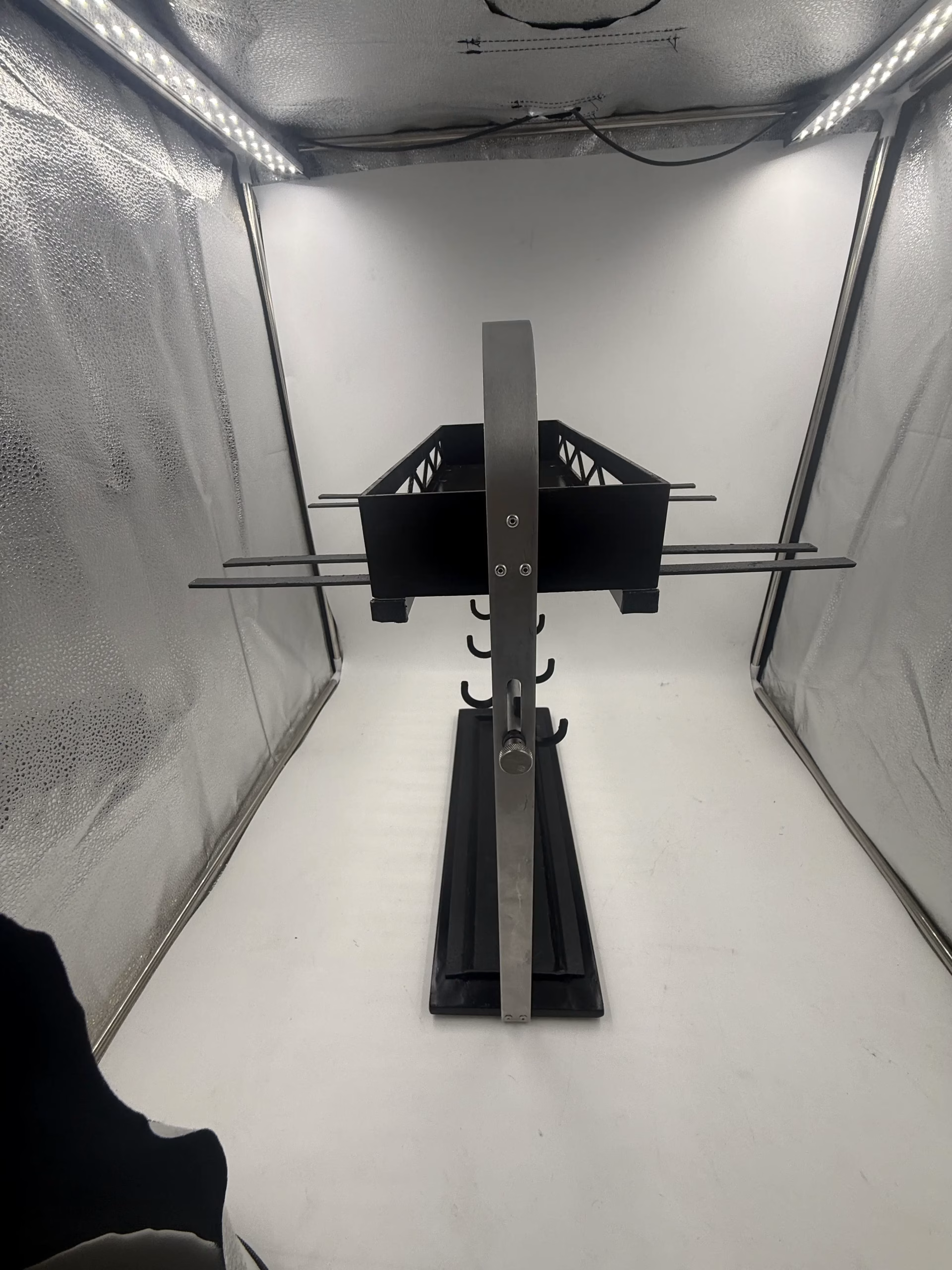
Small Batch Manufacturing in Birmingham Alabama
You have a working prototype and you believe the invention is ready for real customers. But committing to injection molding tooling or a full production run before anyone has paid you is a financial risk most inventors cannot afford to take. Small batch manufacturing is the step between a prototype and mass production—producing a limited quantity of your invention so you can test the market, gather feedback, and generate initial revenue before scaling. Inventions Unlimited provides small batch manufacturing for inventors in Birmingham Alabama, producing between 100 and 1,000 parts using additive and subtractive technologies . For the full technical overview of this service, see our small batch manufacturing page.
Why Small Batch Manufacturing Matters for Inventors in Birmingham Alabama
The core argument for small batch is risk reduction. Large-scale manufacturing requires significant upfront investment in tooling and minimum order quantities. Small batch production minimizes that upfront cost, letting you refine your product and confirm market demand before scaling up . It also gets your product into customers’ hands faster than a traditional manufacturing cycle, which matters if you are trying to capitalize on early market interest .
For inventors in Birmingham Alabama, the practical benefit is feedback. A small batch lets you put units in front of real users and gather input on functionality, design, and overall market fit. That feedback informs decisions about future iterations and potential modifications before you commit to large-scale production . Our prototype development services page covers the stage that comes before this one, and our How It Works page shows the full sequence from concept to production.
What Small Batch Manufacturing Actually Produces
The quantity is the defining feature: between 100 and 1,000 parts, depending on your needs and budget . What matters as much as the quantity is the method. We use a diverse range of techniques to produce your batch, selecting the process best suited to your design and materials.
Additive manufacturing (3D printing) creates complex geometries directly from a digital model, ideal for low-volume parts with intricate designs. CNC machining removes material from a solid block using computer-controlled machines, producing precise, high-quality parts with production-grade materials. PCB assembly and fabrication covers assembling and populating printed circuit boards for electronic inventions . Our services overview lists the full range of manufacturing capabilities we offer, and our 3D printing services page goes deeper on additive methods.
The choice of method affects not just the part but your path forward. CNC machining, for example, can produce small, sellable batches using real production-grade materials without the upfront expense of molds, and it scales cleanly while designs are still evolving . That makes it a practical bridge between prototype and production molding for many inventors.
Design Iteration: The Underrated Benefit of a Small Run
A small batch is not just a market test. It is a design test. Small batch production is an ideal platform for testing different design variations—experimenting with materials, finishes, or functionalities, and gathering user feedback on each iteration. That iterative process helps optimize your design for performance and market appeal before you scale .
For inventors in Birmingham Alabama, this means the first batch is not necessarily the final product. It is a learning instrument. If a material feels wrong in customers’ hands, or a feature is confusing, you find out at 100 units rather than at 10,000. Our product development services page describes the design refinement work that can follow a small batch, and our FAQ page answers common questions about iteration and cost.
How Remote Small Batch Manufacturing Works From Birmingham Alabama
Small batch manufacturing is well-suited to remote collaboration because the workflow is digital until parts ship. Our clients in Birmingham Alabama work through a personalized online project dashboard that tracks milestones and updates, as described on our How It Works page. Manufacturing method decisions, material selection, and quality checks happen on shared screens and through documented communication, and the finished batch ships to you in Birmingham Alabama.
Before any technical discussion, we sign a Non-Disclosure Agreement to protect your intellectual property, a standard practice confirmed on our How It Works page. If you prefer an in-person relationship, that is a fair consideration when comparing firms. The evaluation questions below apply whether you hire in Birmingham Alabama or work remotely.
Questions to Ask Before Hiring a Small Batch Manufacturer
These separate an engineering-focused manufacturing partner from a shop that only runs parts.
First, will they sign an NDA before you share your design files? Our process begins with one . Second, what manufacturing method will they use, and why? The method should match your design and your production goals, not just whatever equipment they happen to own. Our small batch manufacturing page explains the techniques we use and how we select among them.
Third, will they support design iteration across batches? A small batch is most valuable when it feeds learning back into the design. Our process includes quality control throughout and project management that keeps you informed at every stage . Fourth, what happens after the batch? A capable partner connects the small batch to larger-scale manufacturing as your product gains traction, a scalability described on our small batch manufacturing page. Fifth, is the quote fixed or open-ended? We provide a fixed pricing breakdown after understanding scope, as described on our How It Works FAQ.
What to Prepare Before You Contact Us From Birmingham Alabama
You do not need a polished package, but bringing these shortens the path to a useful batch. A working prototype or finalized design files. A clear idea of your target batch size and budget range. Your intended materials or manufacturing method, if you have preferences. And what you intend to do with the batch—direct sales, investor demonstrations, or user testing.
If you are earlier in the process and do not yet have a finalized design, our prototype development services cover the build-and-test phase that comes before manufacturing. If your design is ready but you need CAD refinement first, our CAD design services can prepare the files for production.
How the Small Batch Process Works From Birmingham Alabama
Once you contact us, the process starts with a conversation and an NDA. From there, we review your design and recommend the manufacturing method best suited to your batch size, materials, and budget. We produce the batch using additive or subtractive techniques—3D printing, CNC machining, PCB assembly, or a combination—with quality control throughout. You track progress on the project dashboard and stay involved through scheduled updates. When the batch is complete, it ships to you in Birmingham Alabama.
Most full development projects take three to six months, according to our How It Works FAQ. A standalone small batch run, once the design is finalized, is typically faster than full development, with timing depending on part complexity and quantity. For a specific project, we provide a fixed breakdown after we understand the scope.
Area We Serve
Inventions Unlimited works with inventors across the Southeast from our base in Columbia, South Carolina. If you are outside Birmingham Alabama, find your location below:
Related Services
Small batch manufacturing is often the bridge to larger production. Depending on your needs, you may also require:
-
Prototype manufacturing if you need to build a final, manufacturing-grade prototype before the batch run.
-
Manufacturing readiness services to ensure your design is fully optimized for production.
-
Product development services for end-to-end support from concept through production.
Frequently Asked Questions
What is the minimum order quantity?
We typically work with runs starting at 100 units and up to 1,000 units, depending on the product and manufacturing method. Contact us to discuss your specific needs.
Can you handle packaging and fulfillment?
Yes. We can assist with packaging solutions and prepare the units for shipping or retail. We can also ship the finished batch directly to you.
Do I need a patent to manufacture my invention?
You do not strictly need a granted patent to manufacture, but we strongly recommend filing for a patent before selling your invention publicly. We can provide utility patent drawings to support your filing.
Do you sign NDAs?
Yes. Before discussing your invention or CAD files in detail, we sign a Non-Disclosure Agreement to protect your intellectual property.
How much does small batch manufacturing cost?
Costs depend on quantity, materials, complexity, and assembly requirements. We provide a fixed pricing breakdown for each project after reviewing the scope. Contact us with details about your product to request a quote.
Ready to Test Your Market in Birmingham Alabama?
Our 3D CAD Design services can breathe life into your ideas. Book a Free Consultation today to discuss how we can transform your vision into a powerful 3D model. Let’s explore the possibilities together!
The following page provides the complete list of our invention development service offerings.