
Idea to Product Development
Idea to Product Development Services
You have an idea. What you do not have is a product. The distance between those two things is not a single step—it is a sequence of engineering decisions, design iterations, physical builds, and manufacturing choices that most first-time inventors underestimate. Idea to product development is the service that covers that entire sequence. Inventions Unlimited guides inventors through the full path, from the first conversation about feasibility to a functional prototype and, if you choose, a small batch you can put in front of real customers. This page explains what that journey looks like, what you receive at each stage, and how to decide whether a firm can actually deliver the whole thing rather than just a piece of it. For the broader engineering overview, see our services page.
What “Idea to Product” Actually Covers at Inventions Unlimited
The phrase is often used loosely. Some firms mean design work. Some mean prototyping only. At Inventions Unlimited, idea to product development means the engineering work required to take a concept that exists only in your head or on paper and turn it into something physical that functions, can be tested, and can eventually be manufactured. That work begins with understanding what your invention does and whether it is feasible. It moves into 3D CAD design, where the concept becomes a precise digital model capturing size, function, and ergonomic considerations, as described on our How It Works page. It continues into prototyping, where the model becomes something you can hold and test. And it can extend into product finalization, small batch manufacturing, and packaging if you want to take it further toward market .
What separates this from a design studio or a single-discipline engineering shop is the continuity. The CAD model feeds the prototype. The prototype reveals manufacturing problems that get solved in finalization. The finalized design feeds the small batch. When those stages are handled by different vendors, decisions get lost in handoffs. Our product development services page explains how the disciplines connect across the full arc.
The Stages You Will Actually Go Through
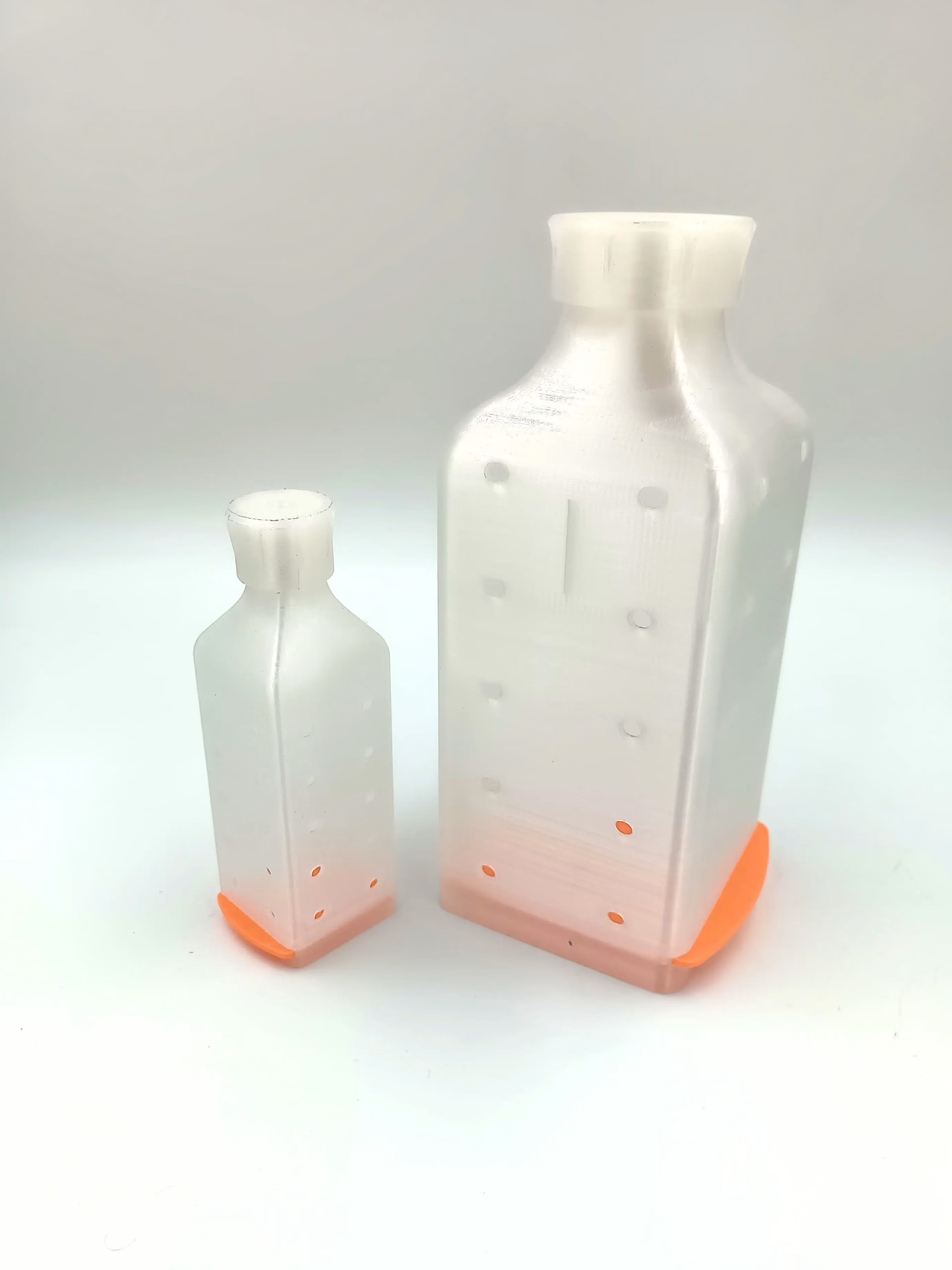
Every idea follows a similar arc, though the details vary by project. Concept and feasibility comes first—a conversation about what the invention does, who it is for, and whether the engineering challenges are surmountable. 3D CAD design follows, where the concept becomes a precise digital model using advanced software and 3D scanning where needed . Prototyping turns that model into a physical object you can hold and test, using 3D printing, CNC machining, or other fabrication methods depending on what the invention requires . Product finalization refines the design for manufacturing needs, tuning tolerances and materials so the product can actually be produced. Small batch manufacturing produces between 100 and 1,000 units so you can test the market before committing to mass production . Packaging comes last if you are preparing for retail, ensuring the product ships safely and presents well .
For inventors, the practical value of following this sequence with one firm is that each stage informs the next. A design decision made during CAD affects which prototyping method makes sense. A prototype that reveals a manufacturing constraint gets solved in finalization rather than discovered after tooling is ordered. Our prototype development services page covers the prototyping phase in depth, and our small batch manufacturing page explains how the transition to production works.
What You Receive at Each Stage
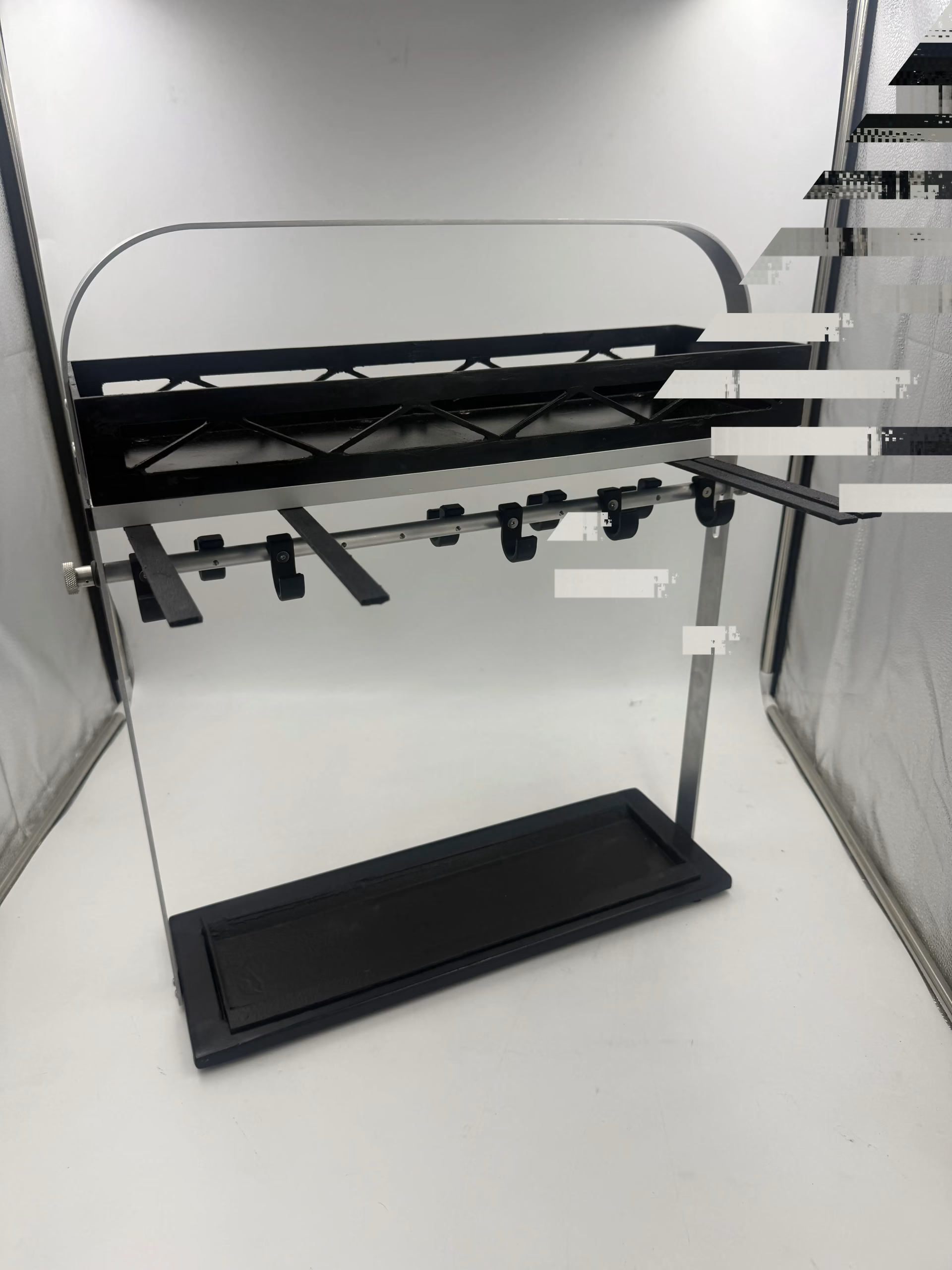
One of the most common questions we hear is, “What do I actually get?” The answer changes as the project progresses. At the CAD stage, you receive 3D models in formats compatible with manufacturing equipment, including STL or STEP files . At the prototyping stage, you receive a functional physical prototype you can use for testing, demonstration, or initial sales conversations, along with the design files needed to move forward—whether that means sending the design to a mass manufacturer, refining it further, or using it as the basis for patent drawings . At the small batch stage, you receive finished units produced using the method best suited to your design.
Throughout the project, you receive access to a personalized online project dashboard where you can track milestones, view scheduled meetings, and see real-time updates, as described on our How It Works page. You are not left waiting for weekly email updates or wondering where the project stands. If a stage reveals that the design needs adjustment, we work through those iterations with you rather than handing over a single result and walking away.
Why Inventors Work With Us on Idea to Product Development
The inventors who contact us usually fall into two groups. Some have a working prototype or a rough model and need help refining it into something manufacturable. Others have only a concept and a sketch—sometimes just a description—and need guidance on whether the idea is worth pursuing at all. Both groups benefit from the same thing: an honest engineering assessment before money is spent on the wrong stage.
Our process begins with a Non-Disclosure Agreement before any technical discussion, as confirmed on our How It Works page. From there, we assess feasibility and tell you what we think is realistic. If the idea needs refinement before prototyping, we say so. If the prototyping stage reveals a design flaw that would have been expensive to discover later, that is the system working as intended. The FAQ page addresses common questions about cost and process, including the range of $2,000 to $15,000 for functional prototypes depending on complexity.
Questions to Ask Before Hiring a Firm for Idea to Product Development
These separate an engineering partner from a sales operation. First, will they sign an NDA before you share details? Our process begins with one, as confirmed on our How It Works page. Second, do they handle the full sequence or only one stage? A firm that only does CAD or only does prototyping will hand you off at the most critical moments. Our capabilities span the full arc, as listed on our services overview.
Third, what will you physically receive at each stage? You should receive CAD files, a functional prototype, and the files you need to send to mass manufacturers . Fourth, is the quote fixed or open-ended? We provide a fixed pricing breakdown after understanding scope, as described on our FAQ page. Fifth, do they promise to license or sell your invention for you? We do not. We provide engineering and development support, not licensing guarantees. Sixth, what happens after the prototype? A capable firm connects the prototype to small batch manufacturing and packaging. Our small batch manufacturing page shows that next step.
What to Prepare Before You Contact Us
You do not need a polished package, but bringing these shortens the path to a useful answer. A plain-language description of what your invention does and the problem it solves. Any sketches, photos, CAD files, or rough models you already have. What you intend to do with the product—sell it directly, license it, show it to investors, or use it yourself. And your rough budget range and any timeline you are working toward.
If you are still early and unsure whether the idea is feasible, our invention consulting service page covers the first conversation, and our product development services overview explains the feasibility work that precedes design and prototyping.
How the Idea to Product Process Works
Once you contact us, the process starts with a conversation and an NDA. From there, we assess feasibility, then move into CAD design, prototyping, and testing and refinement based on results. You track progress on the project dashboard and stay involved through scheduled meetings. When the prototype is complete, it ships to you along with the design files. If you choose to move forward, the next steps are small batch manufacturing to validate the market and packaging solutions to prepare for retail or direct sales.
Most full projects take three to six months, according to our How It Works FAQ. For a specific project, we provide a fixed breakdown after we understand the scope. The goal is not to hand you a single prototype and walk away. The goal is to give you the engineering foundation to take your idea as far as you want to take it.
Ready to Turn Your Idea Into a Product?
Our 3D CAD Design services can breathe life into your ideas. Book a Free Consultation today to discuss how we can transform your vision into a powerful 3D model. Let’s explore the possibilities together!
The following page provides the complete list of our invention development service offerings.